
Landmarks
If you want to think strategically, keep your eyes wide open. Sure, there are the icons that mark the strategy landscape and help us find our bearings. But sometimes an insight comes from where you least expect it.
From philosophy, psychology, economics, or the experiences of people who have spent their lives studying organizations and decisions.
These are some of the works that have shaped my thinking. Don't expect a ranking or a recommended reading list. These are my landmarks. The ones I return to when the view becomes less clear.

A little less noise.
A little more thought.
A little less noise. A little more thought.
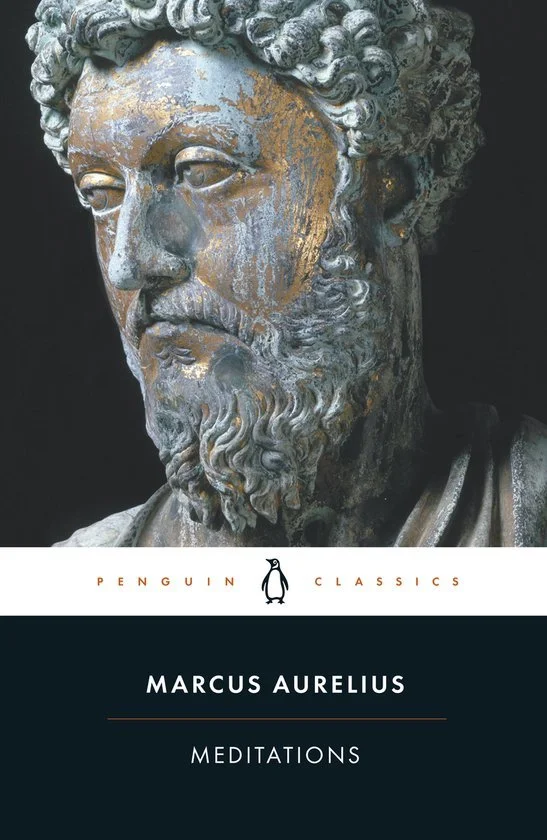
Why its on the map
Because our mind has the remarkable ability to wake up from ignorance. It can question its own judgments and reshape itself as circumstances change. Marcus Aurelius reminds me that we cannot control everything that happens around us. Nevertheless, it is up to us how we interpret and respond to what happens. What made sense to a Stoic emperor nearly two thousand years ago still makes sense in today's boardroom.
Meditations, Marcus Aurelius
Written c. AD 170–180 · Penguin Classics edition, translated by Martin Hammond (2006)
The private reflections of a Roman emperor on judgment, human nature, responsibility, and living according to Stoic principles.
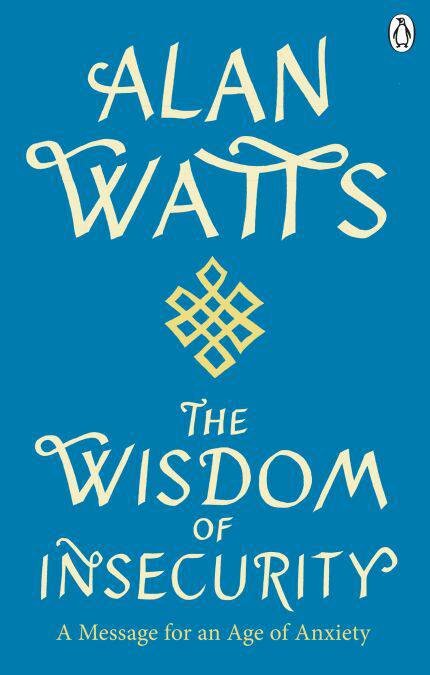
Why its on the map
Strategy is about dealing with the unavoidable uncertainty of the future. In some languages, the same word describes both uncertainty and insecurity. Not knowing and feeling unsafe can be part of the same experience. These reflections by Alan Watts are dear to me. They remind me to accept uncertainty rather than let insecurity take over the strategy debate.
The Wisdom of Insecurity, Alan Watts
Philosophy - 1951
Reflections on the human search for security in an uncertain world, by a leading interpreter of Eastern philosophy.
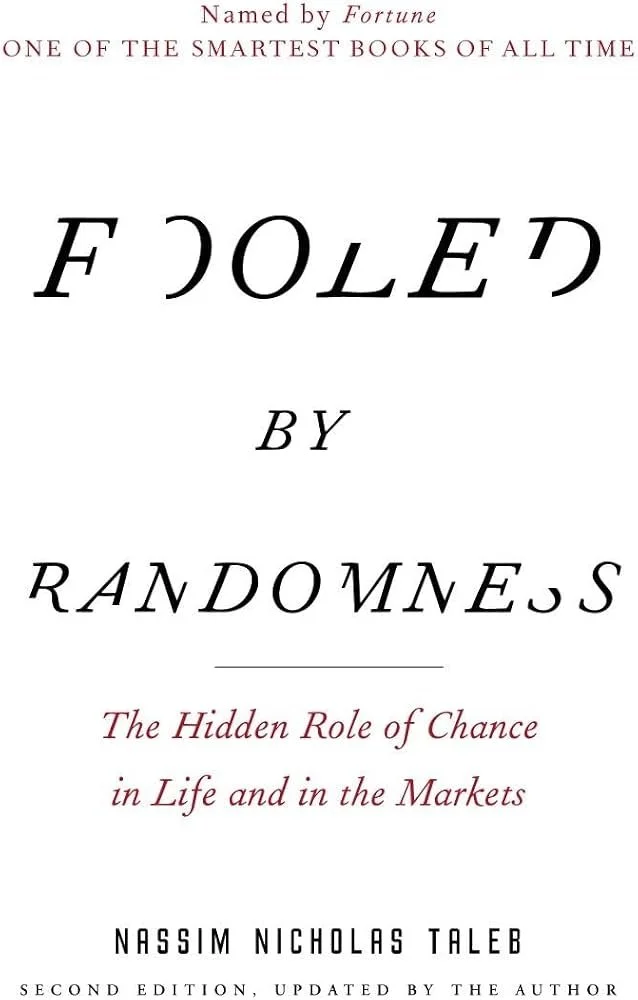
Why its on the map
Simplicity and clarity are the strengths of a good concept. This one opened my eyes. Strategy was no longer necessarily about choosing a position in an existing market. The framework showed how to create new market space instead. This perspective brings hope to the strategy debate.
Blue Ocean Strategy, W. Chan Kim and Renée Mauborgne
Harvard Business Review Press - 2005
A strategy framework developed by W. Chan Kim and Renée Mauborgne. It challenges conventional thinking about competition by exploring how companies can create new market space through value innovation.
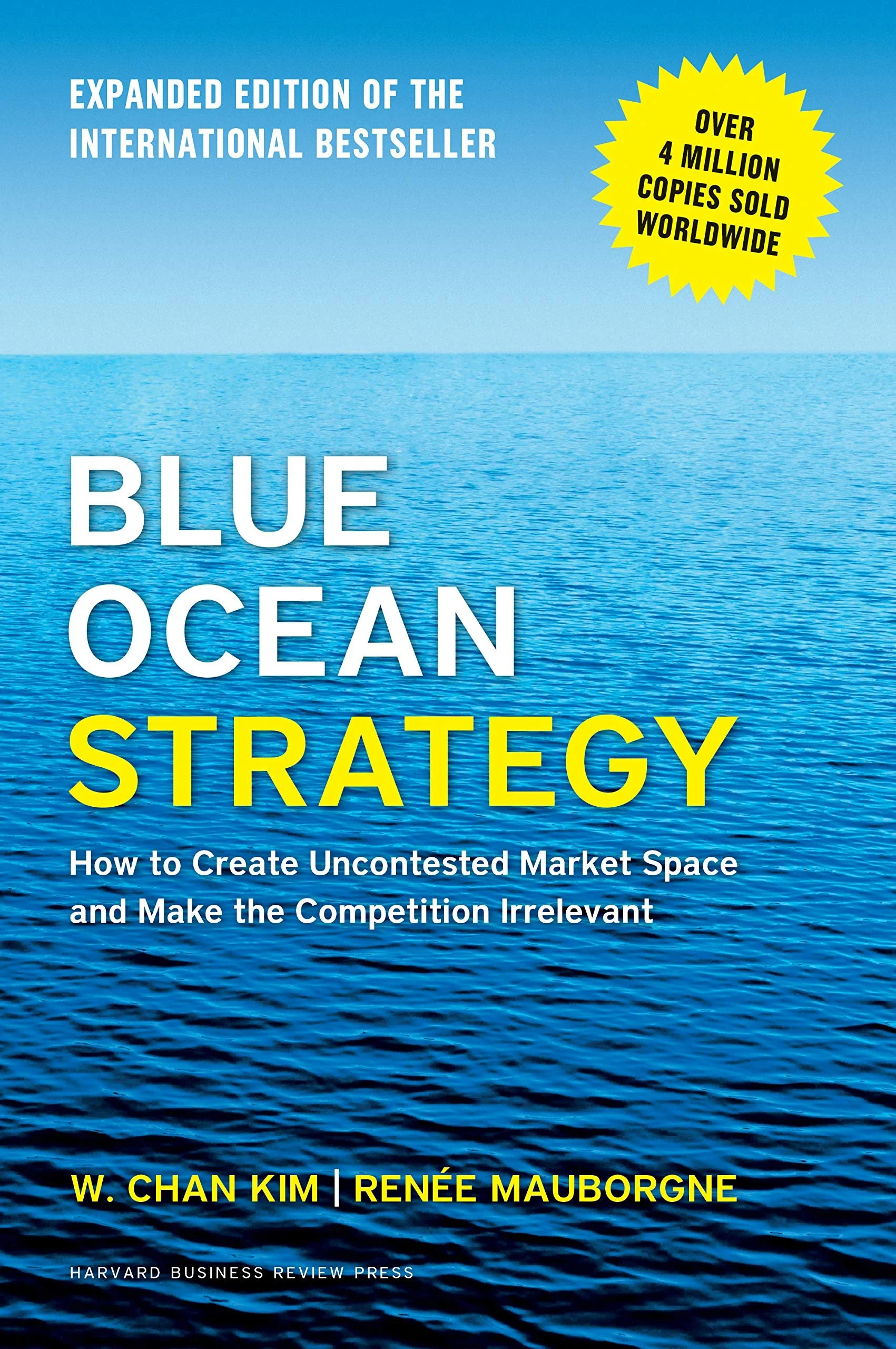
Why its on the map
This mirror keeps us humble. Are we, as entrepreneurs and investors, demonstrating courage when we commit to a new venture? Or are we simply naive, underestimating the role of randomness while convincing ourselves that our strategy will work and deliver the hockey stick promised in our pitch?
Fooled by Randomness, Nassim Nicholas Taleb
Random House - 2001
An exploration of the role of chance in financial markets and human affairs. Nassim Nicholas Taleb challenges our tendency to mistake luck for skill and to construct convincing explanations for outcomes shaped by randomness.
Why its on the map
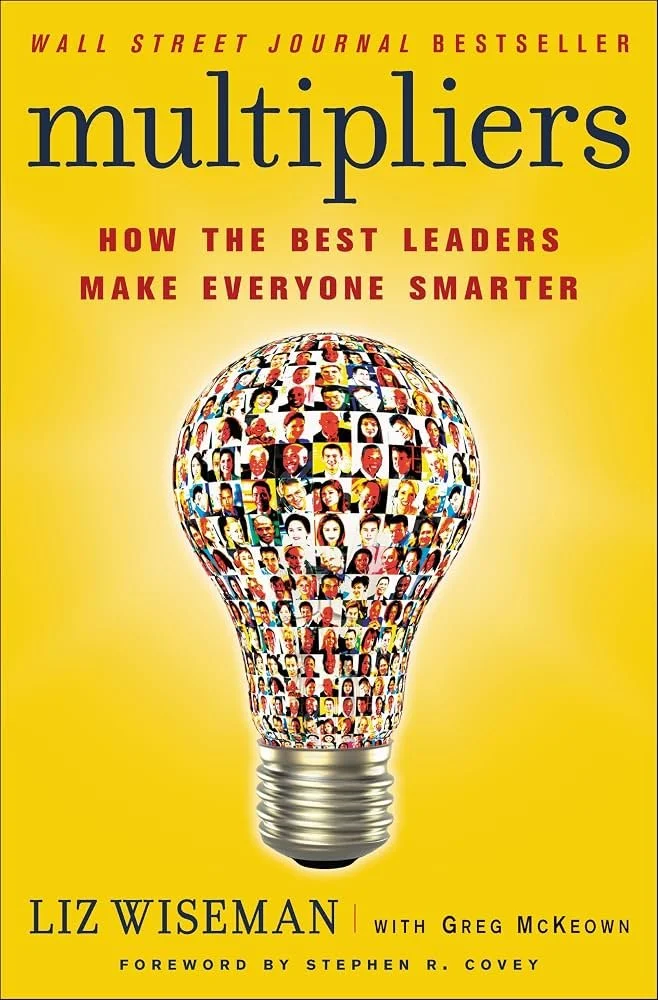
The gap between intent and execution is where strategies quietly dissolve. Leaders who multiply have a better chance of narrowing that gap. Diminishers widen it. I keep this book on my nightstand. The road to becoming a Diminisher is paved with good intentions. It’s my worst nightmare.
Multipliers, Liz Wiseman
Harper Business - 2010
An exploration of how leaders influence the intelligence and capabilities of the people around them. Wiseman’s central distinction is between leaders who multiply their teams’ judgment, initiative, and capability and those who diminish them.
Why its on the map
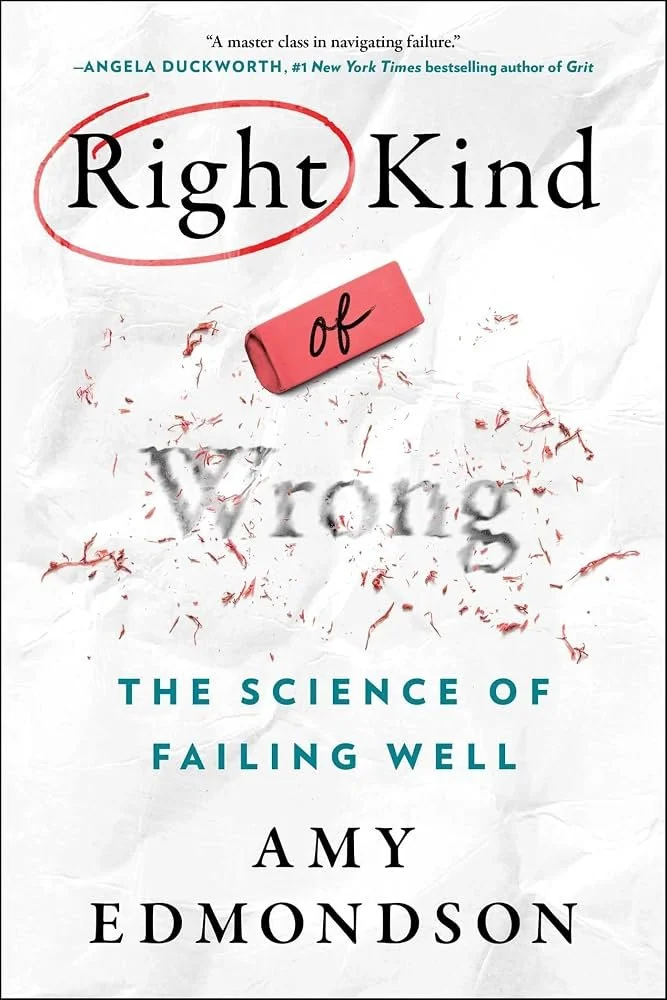
Some prefer the Wrong Kind of Right over the Right Kind of Wrong when debating strategy. Luck can make a poor decision look brilliant in hindsight, while an intelligent failure may be condemned. Both distort our judgment of what makes a good decision. Psychological safety matters in a boardroom too. It's a pillar of sound judgment.
Right Kind of Wrong, Amy Edmondson
Atria Books - 2023
Amy Edmondson reframes failure as a matter of judgment: some failures should be prevented, others understood in the context of system complexity, and still others accepted as the price of discovery.

The map is never finished
Every month, another landmark finds its place on this map. Some familiar, others unexpected. Each one a work that has shaped the way I think about strategy, decisions, or the people making them.
So come back. There is always more to discover.